
Digital Media and education · 16 November 2026
The epic story of MOOCs: from MIT to Italian universities
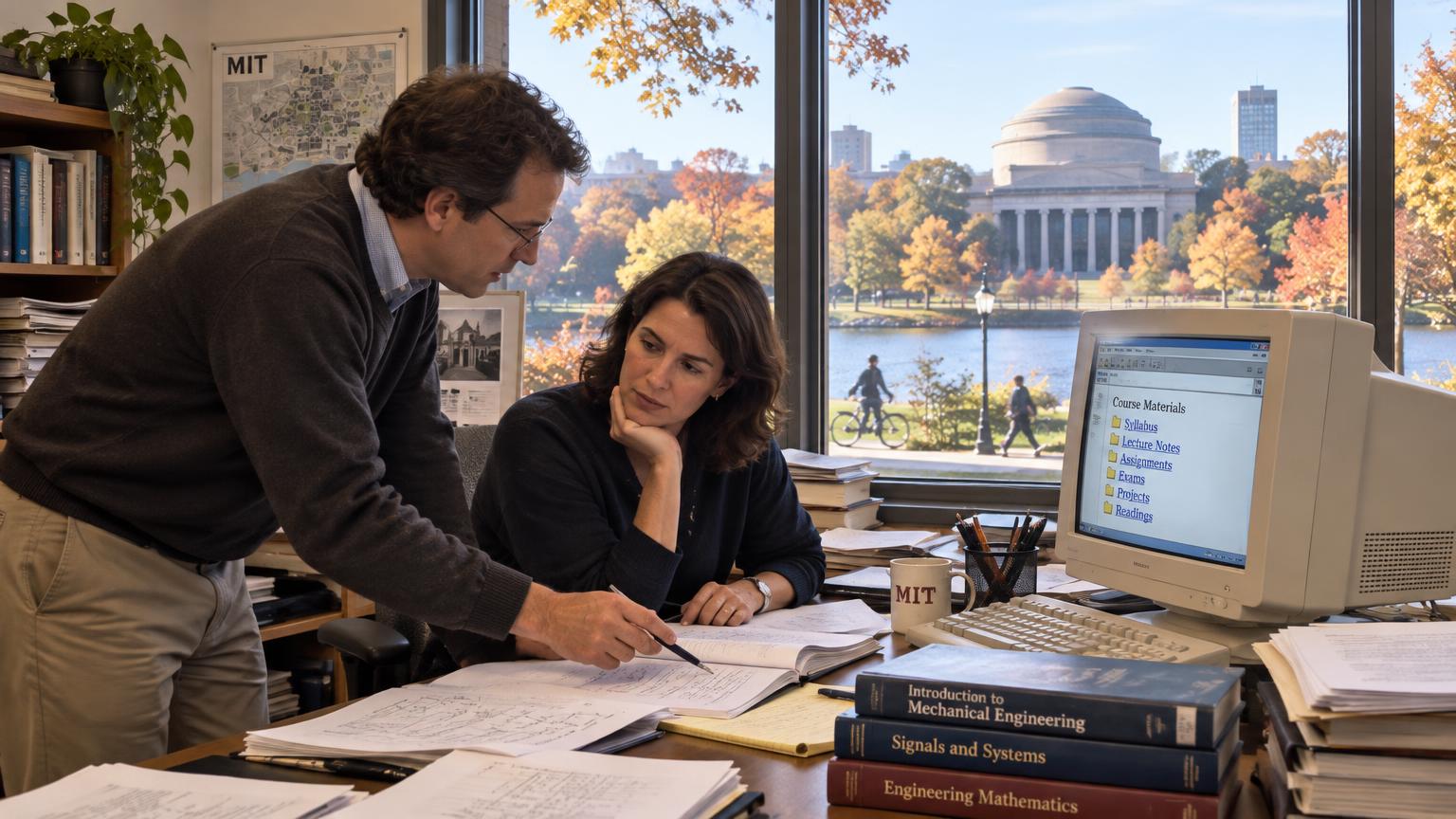
From Cambridge to Silicon Valley and on to Italian universities: the story of knowledge breaking through classroom walls, and a challenge that continues today with Annoluce.
Cambridge, Massachusetts. Autumn 2001.
To understand why America keeps reinventing education while Europe often lingers behind the boundaries it defends, we must start with a seemingly reckless decision made twenty-five years ago on the banks of the Charles River. We are at the Massachusetts Institute of Technology, the global temple of engineering and applied science. A place where university tuition costs as much as an apartment and admission is fiercely selective.
Yet in 2001, MIT’s leadership announces something that defies every business economics textbook: it will put its course materials online, free of charge. OpenCourseWare is born. The underlying logic is characteristically American, a mixture of Enlightenment idealism and radical pragmatism: if knowledge is the true oil of the twenty-first century, keeping it locked away in Cambridge’s libraries does not enhance the university’s prestige. Giving it to the planet, by contrast, makes MIT the global reference point for anyone wishing to study technology. It is the first crack in the wall of the traditional university. Knowledge ceases to be a geographical privilege and begins to travel.
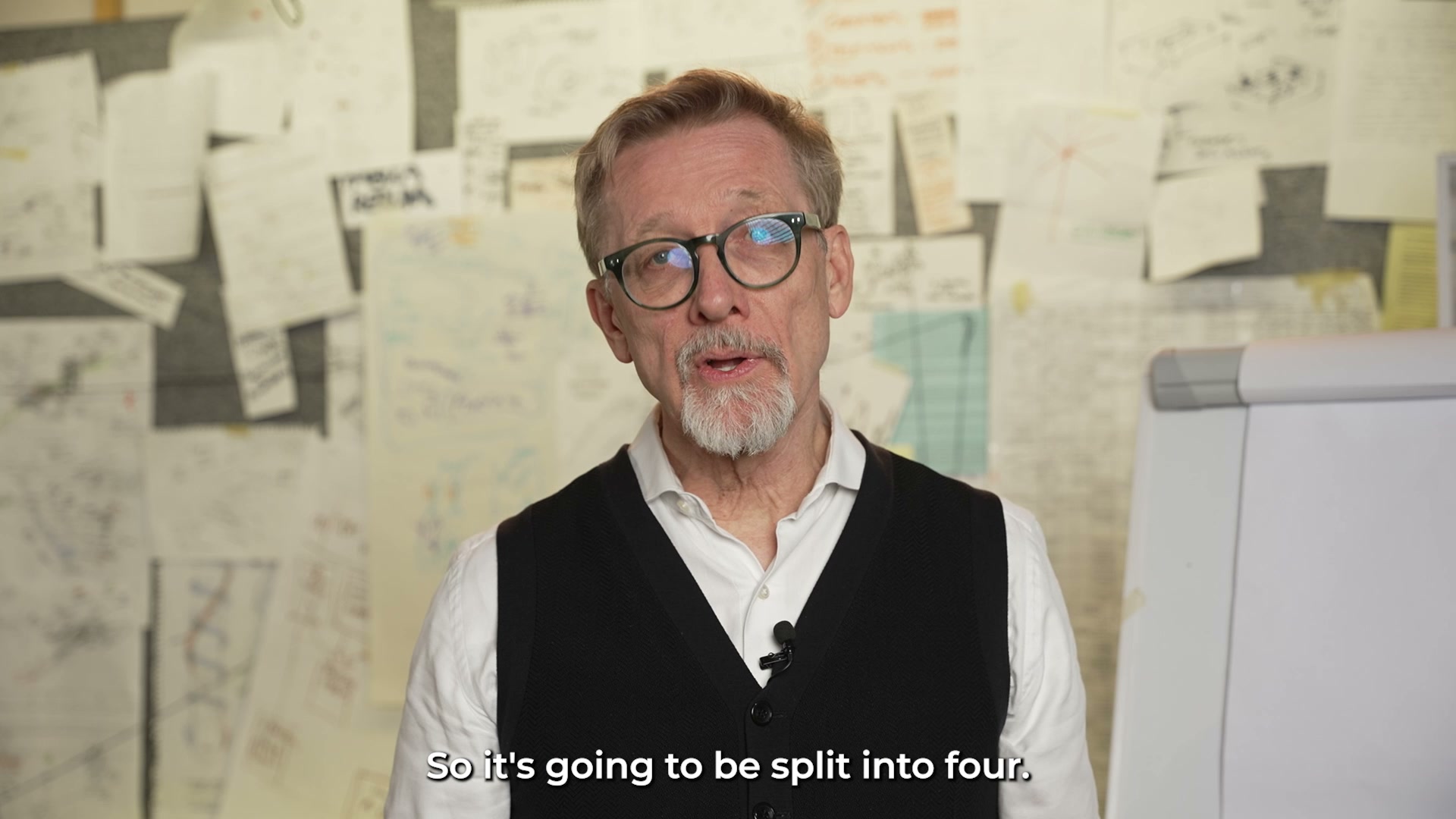
Chris Bangle’s MOOC
A production by Annoluce: the introduction video, the project and a short biography of the designer.
Watch the examplePalo Alto, California. Ten years later.
While the East Coast had the original insight, Silicon Valley is where the idea becomes scalable, industrial and disruptive. In 2011, at Stanford — at the heart of the ecosystem that gave birth to Google, Apple and Hewlett-Packard — two computer science teachers, Sebastian Thrun and Peter Norvig, decide to take the definitive leap. They no longer simply publish PDF handouts: they open a real university course to the entire world, Introduction to Artificial Intelligence, complete with video lessons, weekly exercises and assessment tests.
In Palo Alto, they expect a few thousand enrolments. Perhaps the usual Bay Area nerds or a few European researchers looking to update their skills. Instead, when online registration opens, what economists call disruption happens: 160,000 people enrol, connecting from more than 190 countries.
It is the official birth of MOOCs, Massive Open Online Courses. No amphitheatre in the world could hold an audience like this. In that Californian autumn, Stanford demonstrates a truth that rewrites the rules of global academic competition: in the digital age, a university’s authority is no longer measured solely by the number of students it can seat in its classrooms, but by its ability to attract, educate and connect minds wherever there is an internet connection. Knowledge is no longer a place to migrate to; it is a platform that comes looking for you.
Italy and today’s challenge.
That lesson, which began between Massachusetts and California, now speaks directly to our universities. Italian universities also hold an extraordinary wealth of research, laboratories and outstanding lecturers. But in the global knowledge economy, excellent content is no longer enough if it remains confined to physical classrooms. A carefully designed MOOC becomes a powerful strategic tool: it helps future students discover a university before its open days, strengthens international reputation, supports public engagement and opens an ongoing dialogue with businesses and professionals who need to keep learning throughout their lives.
However, as the American pioneers themselves teach us, a successful online course cannot be improvised by placing a camera at the back of a lecture hall. It takes method, direction, learning architecture and reliable technology.
This is where Annoluce works alongside Italian universities. We bring an integrated approach that combines academic rigour with high-quality multimedia production: from initial strategy and learning design through filming, content accessibility and learning data analysis. As we have already demonstrated by creating a multimedia pathway with a master of design such as Chris Bangle, we know how to turn complex expertise into an engaging learning experience that speaks to a broad, international audience.

MOOC & Digital Learning
From strategy and learning design to video production and accessibility: explore Annoluce’s approach for universities.
Explore the MOOC serviceThere is no need to revolutionise an entire educational offering overnight: often, a single pilot course is enough, starting with an area of excellence within a department. Somewhere, in Italy or on the other side of the world, an audience is already ready to listen to what your university knows how to teach. We are ready to build the infrastructure that will bring you together.